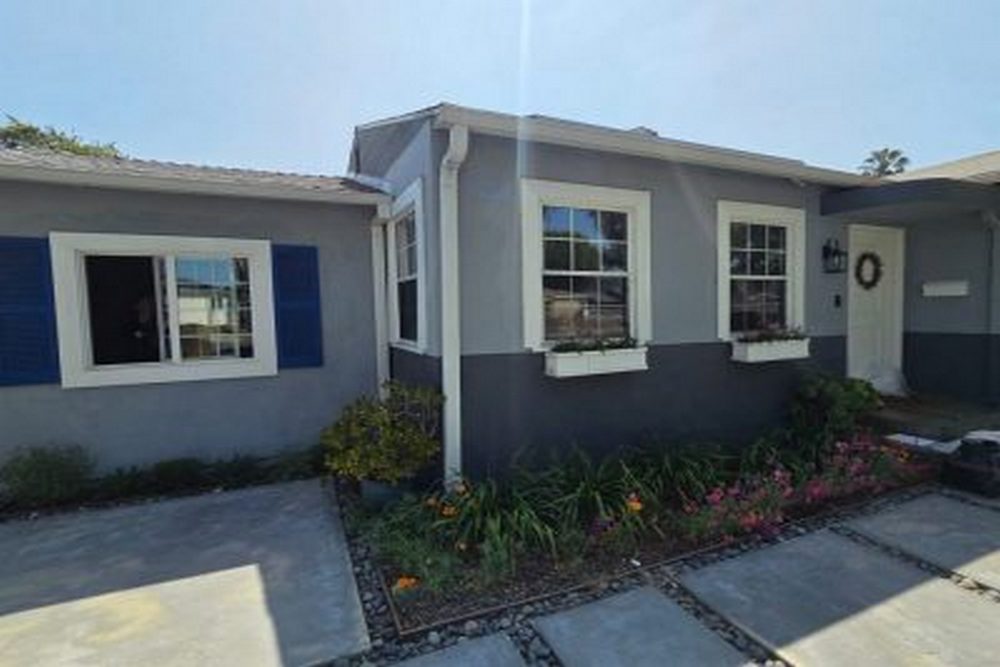
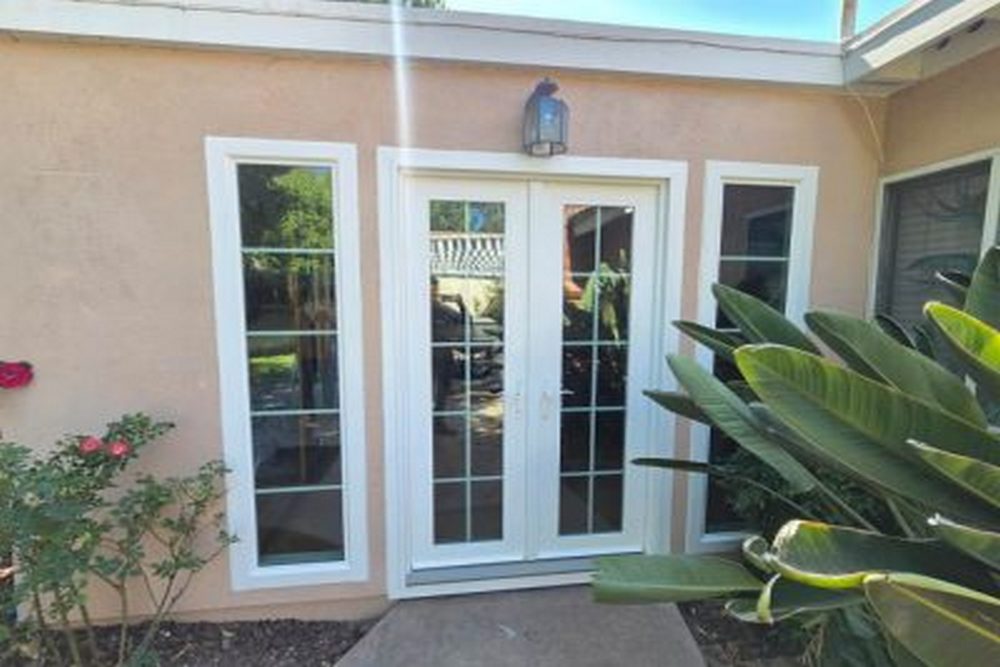
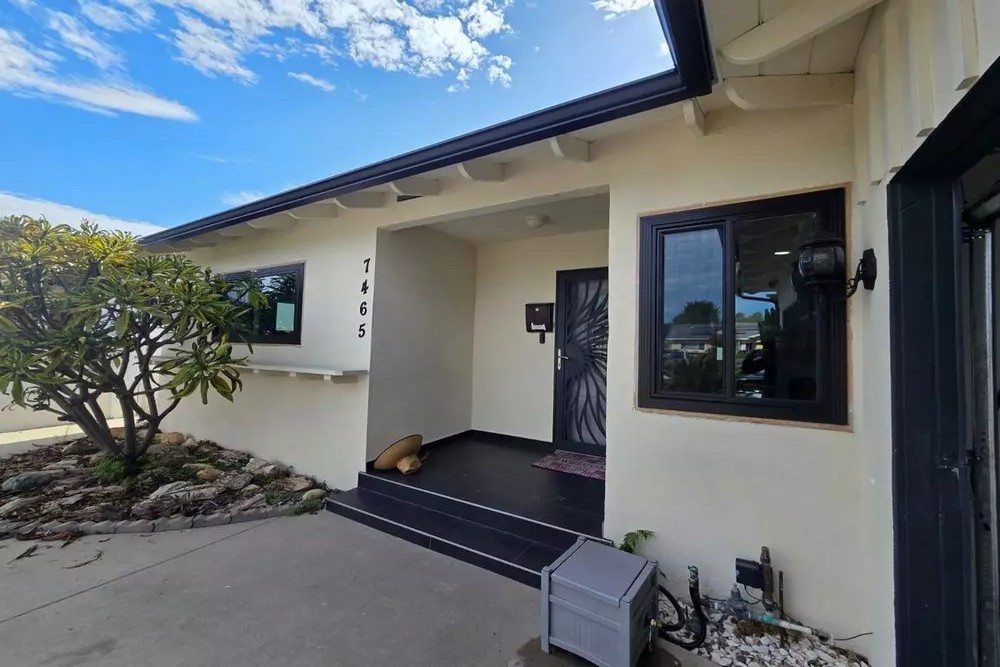
Choosing new windows is more than picking a frame color or glass type. The right window style can make your home look more balanced, more “finished,” and more true to its original design. On the other hand, the wrong style can feel out of place, even if the windows themselves are high quality. Below is a simple, design-forward guide to help you match window styles to your home’s architecture while still improving comfort, energy efficiency, and curb appeal.
Start With Your Home’s Architectural “Rules”
Every home style has a visual rhythm—how lines, shapes, and spacing work together. Before selecting windows, take note of your rooflines, trim details, and the size and placement of your existing openings. Traditional homes often look best with symmetrical layouts and classic shapes, while modern homes usually favor clean lines and larger glass panes. If your home has strong character details like shutters, decorative trim, or divided panes, your window choice should complement those elements rather than compete with them.
Match Window Styles to Common Home Designs
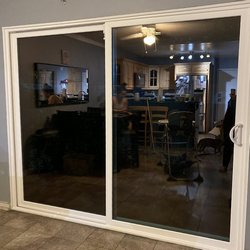
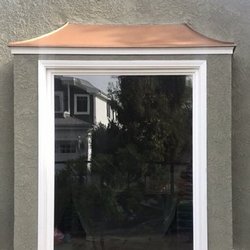
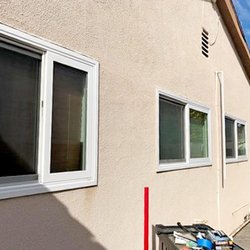
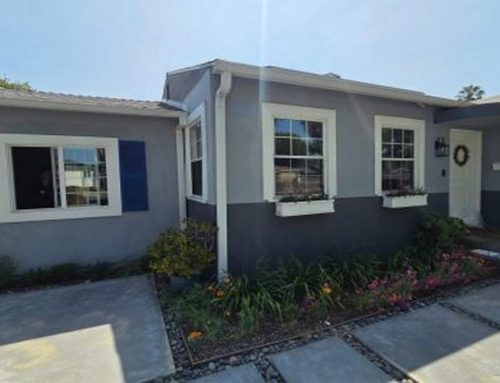
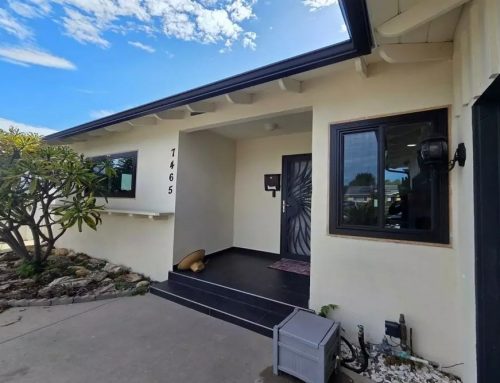
Different window styles naturally pair with different architectural looks. Double-hung windows tend to fit Colonial, Cape Cod, Craftsman, and many traditional homes because they feel timeless and structured. Casement windows often complement modern, contemporary, and Mediterranean-inspired homes thanks to their clean appearance and wide glass area. Sliding windows are a strong fit for mid-century and contemporary homes where horizontal lines and simple framing feel consistent. If your home leans toward farmhouse or cottage style, picture windows paired with smaller operable windows can create a bright, cozy look without losing charm.
Pay Attention to Grids, Proportions, and Sightlines
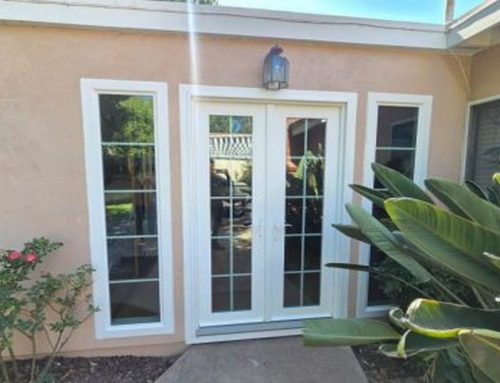
Window grids can dramatically change the feel of a home. Homes with classic architecture often look more authentic with divided-lite patterns, while modern homes typically look better with clear glass and no grids. Proportions matter just as much—tall windows can enhance a two-story façade, while more expansive windows can help a home feel more grounded and open. Also consider sightlines from the street: windows should align visually across the front of the house whenever possible. Even minor adjustments in the grid pattern or frame thickness can make the exterior look cleaner and more intentional.
Balance Looks With Practical Performance
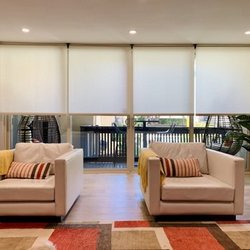
Style is important, but daily comfort matters too. Think about how each room is used and what you want your windows to do. For example, casement windows can help capture breezes in coastal or warmer climates, while double-hung windows offer flexible ventilation and easy screen use. If noise is an issue, choosing the right glass package can make a noticeable difference without changing the look you want. In sunny areas, glass options that reduce heat gain can help keep rooms more comfortable while still matching the architecture you’re aiming to protect and enhance.
The best replacement windows feel like they were meant to be there. When you match the window style, grid design, and proportions to your home’s architecture, the result looks natural and boosts curb appeal. At the same time, choosing modern performance features helps your home feel quieter, cooler, and more comfortable year-round. If you want help selecting a window style that fits your home’s look and your everyday needs, a professional consultation can save time, prevent mismatched choices, and ensure the final result feels cohesive.
The Best Window Style for Your Home’s Exterior Design
Choosing the right window style starts with respecting your home’s original design, then selecting options that feel like they truly belong. The best choice should enhance curb appeal, improve comfort, and create a cohesive look from room to room, inside and out. American Deluxe Windows & Doors makes the process easy by helping you narrow down styles, frame finishes, and glass upgrades that match your home’s character while supporting better efficiency and everyday function. Contact us today at (805) 472-4457 or fill out our online form to schedule your consultation.